Bunny Face: A Designer's Review for Seasonal Collections
As an experienced embroidery designer, I am constantly scanning the horizon for designs that will resonate with customers during the most magical times of the year. When I first laid eyes on Bunny Face, I immediately recognized its potential to become a cornerstone of my upcoming seasonal product line. This isn't just another generic motif; it is a unique embroidery design that feels ready to brighten up the day for anyone who receives it. For Etsy sellers, small business owners, and crafters planning their holiday inventory, understanding the nuance of a digital file like this is critical before adding it to your commercial offerings.
The Emotional Impact and First Impression
The moment you open the embroidery file, the mood shifts. Bunny Face carries a distinct energy that bridges the gap between playful nostalgia and modern charm. It strikes a perfect balance for the spring holidays, Easter celebrations, and even as a whimsical accent for year-round home decor. The style is neither overly rustic nor strictly minimalist; instead, it offers a clean, decorative aesthetic that appeals to a broad demographic.
For the consumer, this design evokes feelings of warmth and joy. It is the kind of visual cue that makes a shopper pause in a craft fair display or scroll further down an Etsy listing. In a market flooded with complex floral patterns and traditional monograms, Bunny Face stands out because of its approachable nature. It suggests a handmade gift that comes from a place of affection, making it ideal for family matching items or personalized gifts for children. Whether you are aiming for a cozy, cute vibe or a premium feel for high-end baby items, this design adapts well to those emotional triggers.
Strategic Placement for Holiday Product Lines
When building a collection for limited-time product drops, versatility is key. I have analyzed how Bunny Face performs across various mediums, and the results are promising for several high-demand categories. For apparel decorators looking to expand their catalog, placing this design on sweatshirts creates an instant connection with the wearer. It works beautifully as a chest pocket accent or a larger back print for a fun, festive look.
Home decor remains a massive revenue stream for digital embroidery file buyers. Imagine Bunny Face stitched onto a linen pillow cover or a heavy-duty kitchen towel. The design adds a touch of personality without overwhelming the fabric texture. For tote bag designs, the size and detail level seem appropriate for a central placement that draws attention in a busy market. Furthermore, creating embroidered patches allows sellers to offer customizable accessories that can be ironed onto jackets or hats, expanding the reach of the product beyond standard garments.
Seasonal appeal is also crucial for gift bundles. Combining Bunny Face with other complementary motifs can create a cohesive "Spring Collection" or "Easter Gift Set." This strategy increases the perceived value of the finished product. Customers love buying curated sets, whether they are for themselves or as gifts for others. The design's ability to work on baby items, such as onesies or bibs, opens up a lucrative niche for parents seeking unique, soft-touch embroidery for their little ones.
Where to Exercise Caution in Production
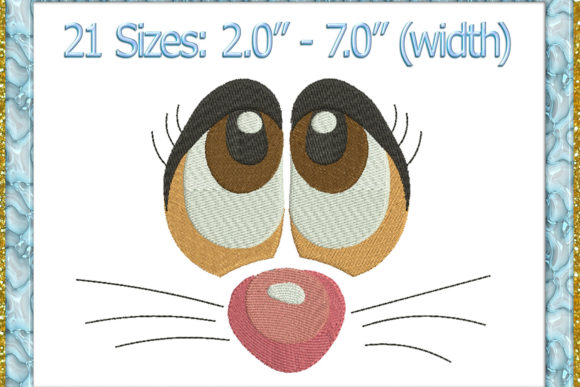
While Bunny Face is versatile, every machine embroidery design has its limitations. As a professional, I must advise against using this specific design on items that require extreme precision or durability under harsh conditions. Small hoop sizes can sometimes struggle to capture the finer details of the face, leading to a loss of definition. If you plan to use this on tiny lettering or very small patches, test the stitch density carefully to ensure the eyes and features remain distinct.
Fabric choice plays a pivotal role in the final outcome. Thick towels, while popular for kitchen towel embroidery, may cause the stitches to sink or distort if not stabilized correctly. Similarly, dark fabrics present a challenge; without proper underlay or thread color selection, the design might lose its pop. Metallic thread, often used for holiday accents, can add friction and breakage issues, so I recommend sticking to standard cotton or polyester threads unless you have advanced troubleshooting skills.
Stretchy garments like fitted leggings or caps with curved brims require special attention. The tension of the fabric can pull the stitches, causing the face to appear distorted. Additionally, items that need repeated washing, such as daily-use aprons or table linens, should be tested for washability. Ensure the stitch density is sufficient to prevent pilling or unraveling over time. Always check the specific hoop size requirements listed in the file metadata to avoid frustration during production.
Maximizing Value and Brand Consistency
Using Bunny Face effectively impacts more than just the physical product; it influences buyer emotion and trust. A well-executed design signals professionalism. When customers see a crisp, clean stitch job on a pillow cover or a tote bag, they associate that quality with your brand. This visual recognition is vital for Etsy sellers and small shop products that rely on repeat customers.
The design enhances the giftability of your items. A cute, recognizable motif like a bunny face makes the product feel special and thoughtful. It reduces the decision fatigue for shoppers looking for last-minute holiday gifts. By integrating this design into your social media previews and printable mockups, you create a cohesive narrative that draws people in. Consistent use of Bunny Face across different product types helps build a recognizable brand identity around seasonal themes.
Essential Technical Notes for Designers
Before you start mass-producing items featuring Bunny Face, there are several practical steps every designer must take. First, test thread colors on both light and dark fabric to ensure contrast and visibility. The right thread colors can make the difference between a flat image and a vibrant piece of art. Check the stitch density within the software; too much density can bunch the fabric, while too little can leave gaps.
Confirm the hoop size limits provided by the file creator to avoid resizing issues. Use the proper stabilizer for the fabric type you are working with; cut-away stabilizers are generally best for stretchy materials, while tear-away works well for stable wovens. Create realistic mockups that show the design on actual textures, not just flat backgrounds, to give customers an accurate expectation of the finished product.
Review small details after stitching to catch any potential errors in registration. Plan matching color palettes that align with current seasonal trends to maximize sales. Finally, confirm commercial licensing terms before selling finished seasonal products. Understanding the rights associated with the digital embroidery file is essential for protecting your business and respecting the original artist.
Bunny Face is a unique embroidery design that offers endless possibilities for creative projects. By treating it with the care and technical precision it deserves, you can create products that truly brighten up the day for your customers. Whether you are decorating sweatshirts, crafting tote bags, or designing kitchen towels, this design serves as a delightful addition to any holiday collection.