Fish Aquatic: A Designer's Real-World Embroidery Review
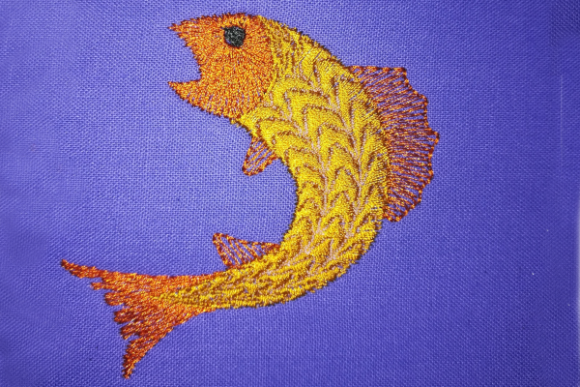
When I first opened the file for Fish Aquatic, my immediate reaction wasn't about the stitch count or the file format, but rather the mood it set. As a designer who has stitched thousands of designs for client projects and personal craft businesses, I know that a successful embroidery file does more than just fill space; it tells a story. This design feels like a splash of joy in an otherwise mundane day. It is undeniably cute, vibrant, and carries a playful personality that begs to be brought to life on fabric. But can a digital preview translate into a high-quality finished product? That is the question every serious embroiderer must answer before hitting the "start" button.
The First Impression: Character and Visual Flow
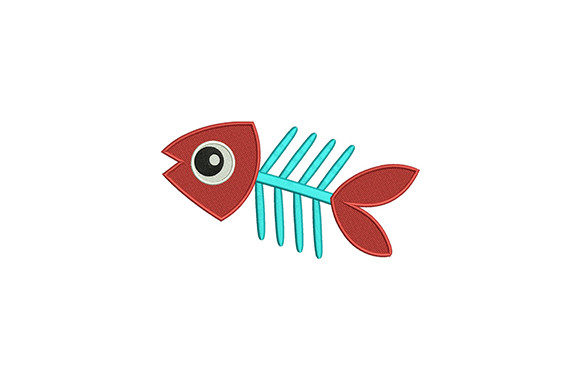
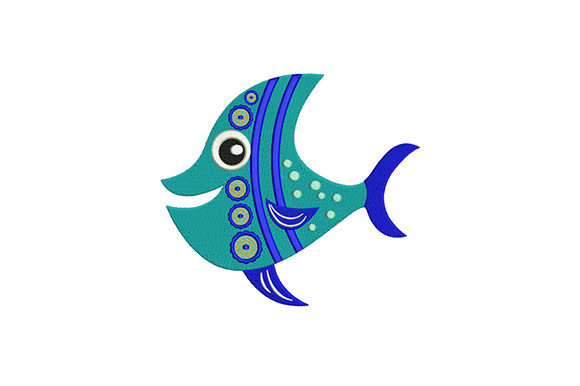
Fish Aquatic immediately strikes me as a design meant to add character. In the world of handmade goods, especially those sold on platforms like Etsy or at local craft fairs, uniqueness is currency. This machine embroidery design doesn't try to be a realistic portrait of marine life; instead, it leans into a stylized, charming aesthetic. The layout suggests a design that is likely balanced, making it versatile enough to sit comfortably on the chest of a sweatshirt or centered on a tote bag.
The visual personality here is key. For small business owners and boutique branding, the difference between a generic clipart look and a cohesive brand asset often comes down to these subtle details. If this design features a mix of satin stitches for the outline and fill stitches for the body, it promises a professional sheen that catches the light. However, if the detail level is too intricate for the intended hoop size, we might lose that "vibrant" promise in the final stitching. The initial assessment is promising: it feels like a design that will make customers smile, which is exactly what you want when selling personalized gifts or holiday embroidery items.
Real-World Application: From Digital File to Finished Product
Let's imagine a practical scenario. You are preparing a custom order for a client who runs a beachside café. They need embroidered aprons for their staff and perhaps matching tote bags for takeaway orders. Enter Fish Aquatic. On paper, it fits the theme perfectly. When applied to a sturdy canvas tote bag, the design could serve as a delightful accent that elevates a simple promotional item into a branded keepsake.
I also see this design thriving in the nursery decor market. Baby clothes require designs that are soft to the touch and visually soothing yet engaging. If the stitch density of Fish Aquatic is moderate, it would work beautifully on a baby onesie or a quilted blanket. The "lively pop of color" mentioned in the description translates well here, turning a plain garment into a special gift for a new parent. Similarly, for apparel decorators looking to create seasonal merchandise, this fish motif could anchor a summer collection or a beach-themed holiday gift line.
However, not all applications are created equal. While it might look great on a flat surface like a pillow cover or a kitchen towel, the dynamics change when moving to curved surfaces. Trying to embroider this design onto a structured cap requires careful consideration of the curvature. If the design includes fine details or tiny lettering (which I haven't seen in the preview but is common), those elements might distort or become illegible on the curve of a hat. For commercial embroidery projects involving frequent washing, such as chef's aprons or workwear, the durability of the design becomes paramount. We need to ensure the thread colors chosen won't fade quickly and that the stabilizer used provides enough support so the design doesn't pucker over time.
Navigating Potential Pitfalls
Even the most charming design can fail if the technical execution isn't sound. There are specific scenarios where Fish Aquatic needs to be handled with extra caution. If you are working with thin fabrics or highly stretchy materials like jersey knit without proper stabilization, the tension from the stitches could cause the fabric to gather unpleasantly around the fish shape. Textured fabrics, such as heavy fleece or bouclé, can sometimes hide the finer details of a design, making the "character" less distinct.
Dense stitch areas are another potential issue. If the design relies heavily on fill stitches to achieve its vibrant look, it may feel stiff or heavy on delicate garments. For a handmade product that needs to drape softly, like a lightweight t-shirt, a dense design can compromise the comfort. Additionally, while the design is described as suitable for sealife-related projects, using it on dark fabric requires a thoughtful approach to underlay and thread selection. Without the right contrast, the lively colors might get lost, defeating the purpose of adding that "pop." Always test the design on scrap fabric first to gauge how the threads interact with your specific material choice.
Impact on Brand Value and Customer Trust
In the competitive landscape of the craft business, presentation is everything. A well-executed embroidery project signals professionalism and care. When a customer receives a personalized gift or a boutique product featuring a clean, crisp version of Fish Aquatic, they perceive value. The clarity of the stitches and the neatness of the edges contribute directly to buyer engagement and repeat business. Conversely, a design that looks sloppy due to poor digitizing or incorrect settings can erode trust instantly.
This design has the potential to enhance your digital marketing assets as well. High-quality mockups featuring Fish Aquatic on various products can help visualize the final result for online shoppers. Whether you are creating printable mockups for an Etsy listing or showcasing design assets on social media, a strong image of this fish design can drive interest. It serves as a recognizable element that helps build brand consistency across different product lines, from small shop merchandise to larger commercial collections.
Practical Notes for the Designer
Before you commit to running a full production batch, there are essential steps any experienced designer takes. First, review the stitch density. If the file is provided as a standard embroidery file, check if the density is appropriate for the fabric you plan to use. You may need to adjust the settings in your digitizing software to prevent puckering or thread breaks.
Thread color selection is equally critical. To achieve the "vibrant" look promised in the description, you must choose high-quality threads that offer good coverage. Test your color combinations against both light and dark fabric backgrounds to ensure the design remains legible and striking. Don't forget to inspect the small details; sometimes, what looks perfect on a screen can get lost in the texture of the fabric once stitched.
If you intend to sell finished items made with this design, confirming the licensing terms is non-negotiable. Ensure you have the rights to use Fish Aquatic for commercial purposes. Are you allowed to sell the physical goods? Is there a limit on the number of units? These questions protect your business from legal issues down the line. Finally, always use the proper stabilizer for your fabric type. A floating applique design or a dense fill stitch requires different support systems to maintain the integrity of the embroidery file.
Ultimately, Fish Aquatic offers a wonderful opportunity to inject fun and personality into your creative output. By approaching it with a strategic mindset—testing thoroughly, choosing the right materials, and understanding the limitations—you can transform a simple digital file into a standout finished product that delights customers and strengthens your brand.