Floral Ampersand Redwork Review
I have been reviewing machine embroidery designs for years, and I have learned that the most valuable assets are often the simplest ones. Today, I am putting Floral Ampersand Redwork through its paces to see if it truly delivers on the promise of adding a lovely natural vibe to your creations. As a designer who frequently prepares custom apparel and boutique products for small business owners, my goal is not just to look at the image but to understand how it stitches out on real fabric. This review focuses on practical application, from Etsy listings to finished gifts.
The First Impression: Mood and Visual Personality
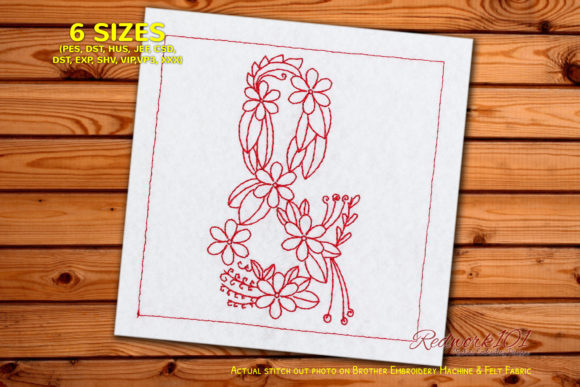
When you first open an embroidery file like this, you are looking for more than just geometry; you are looking for character. Floral Ampersand Redwork immediately strikes me as versatile and timeless. The redwork style, characterized by single-color outlines usually in red thread, evokes a sense of heritage and craftsmanship. It feels less like a modern digital graphic and more like a classic pattern found in vintage quilts or heirloom linens.
The layout combines a botanical theme with a typographic element, creating a focal point that works well for branding or personalization. Unlike dense fill designs that can overwhelm a garment, this design relies on clean lines and open space. It suggests a project that is understated yet elegant. For a creative entrepreneur, this is the kind of design that screams "handmade" without trying too hard. It fits perfectly into the Floral Wreaths category but stands apart due to its unique ampersand structure, which invites customization.
A Real-World Scenario: The Boutique Tote Bag Project
To truly evaluate this design, I imagine a specific scenario: a small shop owner preparing a limited run of tote bags for a holiday market. The client wants something that appeals to crafters and nature lovers alike. They choose a sturdy canvas tote and decide to center the Floral Ampersand Redwork design.
Because redwork typically uses a single color, the contrast against a natural beige or dark navy canvas would be striking. The design acts as a subtle logo rather than a loud statement. When stitching this onto a tote bag, the running stitch elements would lay flat and durable, perfect for a bag that sees frequent use. However, if the shop owner intends to sell these as commercial embroidery items, they must consider the finish. A simple red outline might get lost on a busy background, but on solid colors, it offers high visual appeal with low material cost. The result is a product that feels personalized and thoughtful, increasing the perceived value of the item in an Etsy seller's portfolio.
Performance Across Different Fabrics and Products
This design is not limited to one type of item. Its adaptability makes it a strong candidate for various embroidery projects. On soft garments like t-shirts and sweatshirts, the design adds a touch of whimsy. For baby clothes, the gentle floral curves create a safe and soothing aesthetic. It also translates beautifully to home decor items such as pillow covers, kitchen towels, and aprons.
For those making embroidered patches, the clean lines of the redwork style are ideal because they define the shape clearly without needing complex shading. Similarly, for holiday embroidery gifts, this design can be adapted with different thread colors to match seasonal themes while retaining its core identity. Whether you are creating a custom apparel line or a collection of personalized gifts, the versatility of this file allows you to maintain brand consistency across multiple product types.
Where Caution Is Required
While the design is charming, every experienced designer knows that context matters. There are specific situations where Floral Ampersand Redwork might require extra care or might not be the best choice. If you are working with a very small hoop size, you must inspect the details closely. Tiny curves in the floral elements could become muddy if the resolution is not high enough for the specific machine settings.
Fabric texture plays a significant role here. On highly textured fabrics like heavy waffle weaves or thick chenille, the fine lines of the design might disappear into the weave. Thin fabrics, such as lightweight silks or sheer cottons, may struggle to support the density required for the box stitch shown in the preview unless a proper stabilizer is used. Furthermore, stretchy fabrics like jersey require careful hooping to prevent puckering, which can distort the delicate ampersand shape.
Dark fabrics present another challenge. Traditional redwork relies on high contrast. While red thread looks great on white, it may vanish on black or deep navy backgrounds unless a contrasting underlay or a different thread color is selected. Additionally, for products that need frequent washing, such as dish towels or work aprons, the durability of the stitch placement is crucial. You must ensure the design does not sit too close to the edge where it might snag during laundering.
Impact on Brand Value and Customer Trust
In the world of handmade goods, presentation is everything. A clean, well-executed machine embroidery design signals professionalism. When customers receive a product featuring Floral Ampersand Redwork, they perceive the effort and skill involved in the creation. This perception builds trust and encourages repeat business. A sloppy stitch job can ruin even the best design, so paying attention to stitch density and thread colors is non-negotiable.
For digital product sellers, having mockups that showcase this design effectively is key. Using printable mockup tools to visualize the design on different backgrounds helps buyers understand the final look before purchasing. If the design looks crisp and clear in these previews, it increases buyer engagement. Conversely, if the design appears too dense or lacks definition in the preview, potential customers may hesitate. Ensuring the design assets are presented accurately reflects on your reputation as a creator.
Practical Designer Notes for Success
Before committing this design to a production run, there are essential steps any professional should take. First, always test the design on scrap fabric that matches the weight and texture of your final product. This allows you to check how the running stitch and satin stitch interact with the specific material.
Review the stitch density carefully. If the design is too dense, it may cause the fabric to pucker; if it is too sparse, it may lack structural integrity. Confirming the correct hoop size is vital to avoid cutting off parts of the floral wreath. Inspect the small details, particularly around the curves of the ampersand, to ensure they will stitch out cleanly on your machine.
It is also wise to test the design in black and white mockups to verify that the composition holds up without relying on color. Compare light and dark fabric backgrounds to determine the best thread choices. Always use the proper stabilizer to support the fabric during the stitching process. Finally, confirm whether the license terms allow for both personal and commercial projects. Many designers assume a purchase includes commercial rights, but this varies. Check the licensing before selling finished items or using the digital embroidery file in your craft business.
In conclusion, Floral Ampersand Redwork is a strong addition to any library of design assets. It offers a blend of rustic charm and modern utility that suits a wide range of applications. By following practical testing protocols and understanding the limitations of different fabrics, you can turn this simple design into a standout finished product that delights your customers and elevates your brand.