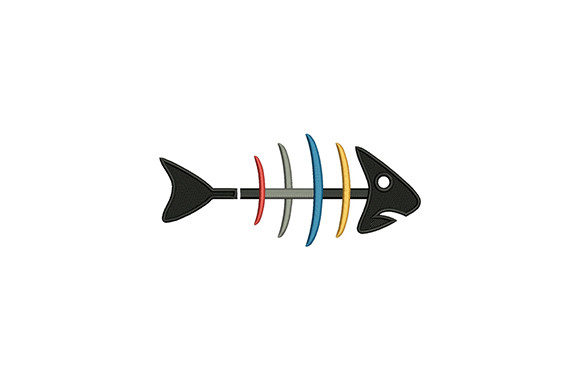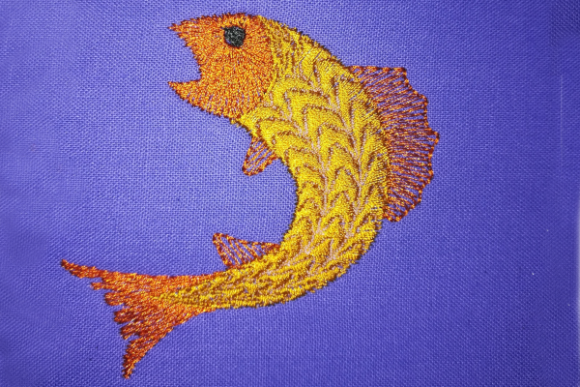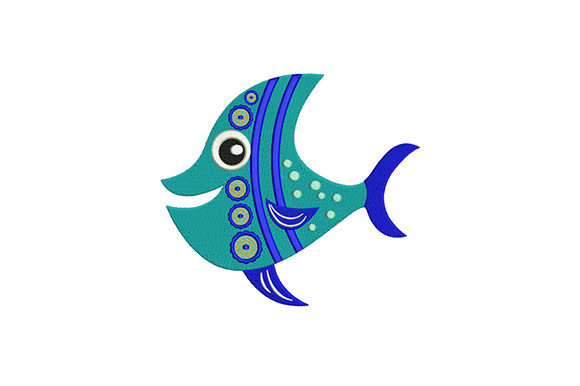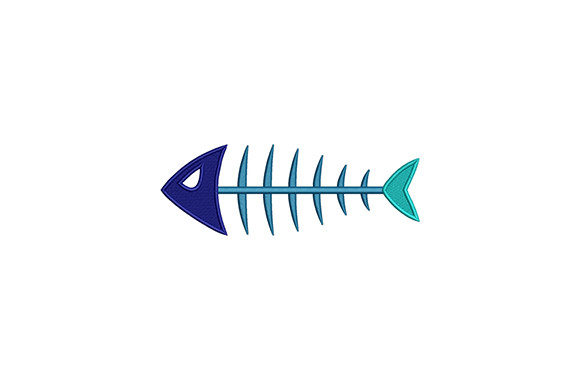
Blue Fish Skeleton Review for Gift Creators
As an experienced embroidery designer who spends countless hours testing digital files before they hit the market, I recently put the Blue Fish Skeleton design through its paces. My goal was to determine if this specific machine embroidery design could truly elevate a line of personalized gifts or if it was better suited for casual home projects. After running several test stitches on various fabrics and visualizing how it would look on finished goods, I have found that this file is a hidden gem for crafters looking to add a touch of whimsical charm to their inventory.
The first impression of the Blue Fish Skeleton is undeniably playful yet sophisticated. It avoids the overly childish aesthetic that often plagues fish-themed designs, instead offering a mood that feels both sweet and slightly modern. The skeleton motif adds a layer of intrigue that makes it perfect for customers seeking something unique rather than generic. Whether you are targeting parents looking for nursery decor or food enthusiasts wanting custom kitchen accessories, this design strikes a balance between cute and cool. It possesses a handmade quality that instantly boosts the perceived value of any item it adorns.
Perfect Applications for Personalized Gifts
In my review, I imagined how this design would perform in real-world scenarios for small business owners and Etsy sellers. The versatility of the Blue Fish Skeleton is its strongest asset. It fits seamlessly into the category of baby embroidery, making it an ideal choice for creating memorable keepsakes. Picture a soft cotton blanket embroidered with this design; the contrast of the blue threads against white or pastel fabric creates a soothing yet engaging visual for a baby's room. It works beautifully as a centerpiece for a wedding gift as well, perhaps stitched onto a pillow cover or a set of guest towels for a couple who loves the ocean or nautical themes.
For those specializing in kitchen products, the description notes that this design complements chef outfits and restaurant staff badges perfectly. However, I believe its potential extends further into the home. An embroidered towel featuring the Blue Fish Skeleton would be a stunning addition to a farmhouse-style kitchen, while oven gloves could become a unique selling point for holiday gift sets. The design also translates exceptionally well to tote bags, allowing creators to offer custom merchandise that stands out in a crowded marketplace. For digital product sellers, this file serves as a fantastic base for creating printable mockups to showcase on listing pages, giving buyers a clear vision of the final finished product.
Who Will Love This Design?
Understanding your audience is crucial for a successful handmade product. The Blue Fish Skeleton appeals to a diverse range of buyers. Parents will appreciate the gentle nature of the fish theme, making it suitable for nursery items that grow with the child. Wedding planners and couples might find it charming for a beach-themed wedding or a honeymoon gift. Furthermore, pet lovers and aquarium enthusiasts are always searching for unique ways to express their hobbies, and this design offers a fresh take on aquatic imagery. By incorporating this into your catalog, you can attract customers who value creativity and emotional connection over mass-produced uniformity.
The design also holds significant appeal for custom order previews. When a customer requests a personalized apron or a family reunion shirt, showing them a preview of the Blue Fish Skeleton helps visualize the outcome. This transparency builds trust and reduces the likelihood of returns due to mismatched expectations. It transforms a simple piece of fabric into a story, which is the essence of what drives sales for Etsy sellers and small shop owners.
Strategic Considerations and Limitations
While the Blue Fish Skeleton is highly versatile, every embroidery file has its limitations. As a professional, I must advise caution when applying this design to certain materials. If you plan to use it on delicate details, ensure the stitch density is appropriate; too much density can cause puckering on thin fabrics, while too little may result in a lack of definition. Textured fabrics like heavy terry cloth or thick towels require careful stabilization to prevent the design from sinking into the pile, potentially obscuring the intricate lines of the skeleton.
Stretchy baby clothes present another challenge. While the design is charming, the stretch of the fabric can distort the shape if not properly stabilized. In these cases, using a high-quality cut-away stabilizer is non-negotiable to maintain the integrity of the stitch density. Additionally, dark fabrics can sometimes clash with the intended color palette of the design. If the original file relies on light blues, they may not pop sufficiently against navy or black backgrounds without additional underlay or thread changes. Curved surfaces, such as hats or rounded bags, also demand precise placement to ensure the fish does not appear distorted when viewed from different angles.
Products that require frequent washing, such as kitchen towels or chef uniforms, need to be tested for durability. Over time, the edges of the skeleton design should hold up without fraying, but this depends heavily on the quality of the thread and the stability of the stitching. Always prioritize commercial-grade threads to ensure longevity.
Practical Embroidery Notes for Success
To achieve the best results with the Blue Fish Skeleton, follow these practical steps before committing to a full production run. First and foremost, always test on scrap fabric. This allows you to check the thread colors and see how the design interacts with the specific texture of your material. Confirming the hoop size is equally important; if the design is large, ensure your hoop can accommodate the entire piece without cutting off critical details.
Review the stitch density carefully. If the file seems too dense, consider adjusting the settings or switching to a lighter weight fabric to avoid bulk. Using the proper stabilizer is the backbone of a clean finish, so do not skimp on this step. Compare light and dark fabric mockups to understand how the design shifts visually. Check small details after stitching to ensure that the tiny parts of the skeleton are distinct and not lost in the background. Finally, confirm the commercial licensing terms of the digital embroidery file before selling any finished products. Understanding the legal scope ensures you can operate your small shop product line with confidence.
Ultimately, the Blue Fish Skeleton is more than just a pattern; it is a tool for building emotional connections with your customers. By thoughtfully integrating this design into your workflow, you can create meaningful gifts that resonate deeply. Whether it is a baby blanket for a new arrival or a custom apron for a beloved chef, this design brings a sense of joy and artistry to every project. For anyone looking to expand their offerings in personalized gifts, this file is a worthy investment that promises to deliver high-quality, handcrafted results.