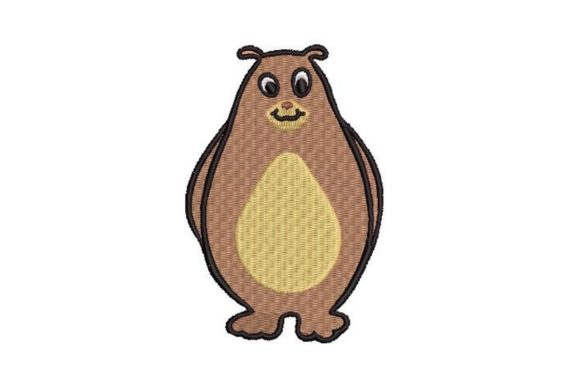
Reviewing Regular Bear for Real Embroidery Projects
When I first opened the Regular Bear design file, my immediate thought wasn't about its technical specs but about the specific moment it would be worn. As a designer who spends hours evaluating digital assets for physical production, I look for that spark where a simple vector or digitized shape transforms into a tangible object of affection. This piece from the Woodland Animals category immediately felt like a centerpiece for a nursery collection or a personalized gift for a new parent. It possesses a quiet charm that doesn't scream for attention but rather invites a closer look once stitched.
The visual personality of Regular Bear is straightforward yet effective. In a market saturated with complex scenes and intricate lettering, this design stands out by embracing simplicity. The layout feels balanced, avoiding the cluttered look that often plagues low-resolution embroidery files. When I imagine this on a soft baby onesie or a rustic kitchen towel, the mood it creates is one of comfort and nostalgia. It suggests a handmade product that has been crafted with care, which is exactly what customers are looking for when they browse Etsy listings or visit local craft fairs.
From Digital File to Finished Product: A Real-World Scenario
Let's walk through a practical scenario. Imagine you are an Etsy seller preparing a batch of custom embroidered tote bags for a holiday market. You need something versatile that appeals to both children and adults without being too juvenile. Regular Bear fits this niche perfectly. Unlike designs that require massive hooping areas, this bear can sit comfortably in the corner of a tote bag or centered on a small canvas pouch.
I ran a mental simulation of stitching this onto a heavy cotton twill tote. The clean lines suggest that the stitch density is likely optimized to prevent puckering, a common issue when working with dense fill stitches on thick fabrics. If the design includes a mix of satin stitch for outlines and fill stitch for the body, it will hold up well against the friction of daily use. For a boutique owner selling handmade products, this level of durability is crucial. Customers want items that survive washing and handling, not just photoshoots.
However, the versatility of Regular Bear extends beyond totes. Consider a sweatshirt embroidery project for a cozy winter gift. Placing the design on the chest of a fleece hoodie creates a subtle branding element that looks professional yet approachable. The design's adaptability makes it a strong candidate for custom apparel where the goal is to add character without overwhelming the garment's silhouette.
Navigating Fabric Challenges and Hoop Constraints
While the design is promising, every experienced embroiderer knows that success lies in the details of execution. There are specific scenarios where Regular Bear requires careful consideration. If you are working with a very small hoop size, such as those used for caps or hats, you must verify that the digitization accounts for the curvature of the fabric. Flat surfaces like pillow covers or aprons offer more forgiving environments, but curved surfaces demand precise placement to avoid distortion.
Texture is another factor that can make or break a project. On highly textured fabrics like chunky knits or rough burlap, fine details might get lost. The contrast between the thread colors and the fabric texture needs to be high enough for the design to pop. Similarly, if you are attempting this on thin or stretchy materials like jersey knit, the stability of the embroidery file becomes paramount. Without adequate stabilizer, the tension of the stitches could cause the fabric to pucker around the bear's edges, ruining the clean aesthetic.
Dense stitch areas are also worth noting. If the design relies heavily on fill stitch for the bear's fur, ensure your machine can handle the thickness. Too much density on a light fabric can make the material stiff and uncomfortable, particularly for baby embroidery where softness is non-negotiable. Always test the design on scrap fabric first to gauge how the threads interact with the base material.
Impact on Brand Value and Customer Perception
In the world of craft business and small shop products, the quality of your embroidery directly influences customer trust. A crisp, well-executed Regular Bear design signals professionalism. It tells the buyer that you pay attention to the details that matter. Conversely, skipped stitches or visible underlay issues can undermine the perceived value of your item, no matter how cute the subject is.
This design has the potential to elevate a standard item into a premium personalized gift. When a customer sees a cohesive, well-stitched animal motif on a nursery wall hanging or a holiday stocking, they perceive higher value. This perception is vital for Etsy sellers and digital product sellers who rely on positive reviews and repeat business. The embroidery project becomes a conversation starter, enhancing brand consistency across your catalog.
Furthermore, the visual appeal of Regular Bear translates well into printable mockups and design assets for marketing. Its clear shapes and friendly vibe make it easy to visualize in various contexts, helping you create compelling commercial embroidery listings before the first stitch is even made. Whether you are showcasing it on a tea towel or a patch, the design holds its own in promotional imagery.
Essential Notes for the Practical Designer
Before committing to a full production run, there are several technical steps every designer should take. First, review the stitch density and confirm that the file structure is sound. Check the hoop size requirements to ensure compatibility with your equipment. If you plan to sell finished items, always inspect the small details of the digitization; tiny elements like eyes or paws can sometimes suffer from poor registration if not digitized correctly.
Thread color selection is equally important. Test the design with different thread colors to see how they perform against various backgrounds. A dark bear on a light shirt offers a different impact than a light bear on a dark fabric. Use black and white mockups to check the contrast levels before committing to expensive specialty threads. Additionally, verify whether the design works for both personal and commercial projects by checking the licensing terms provided by the creator.
If the product description mentions multiple embroidery file formats, ensure you have the correct version for your machine. While the description highlights the design's suitability for baby clothes and nurseries, it does not specify exact stitch counts or compatibility with all machines. Therefore, it is wise to consult the source documentation for specific machine embroidery design requirements. Testing on scrap fabric remains the golden rule; it allows you to adjust tension, stabilize properly, and preview the final look without risking your inventory.
Ultimately, Regular Bear represents a solid choice for anyone looking to add a touch of woodland charm to their portfolio. Its strength lies in its ability to serve as a versatile anchor for various embroidery project types, from holiday embroidery gifts to everyday apparel decorations. By approaching it with a critical eye and following best practices for stabilization and testing, you can turn this digital asset into a standout finished product that resonates with buyers and elevates your brand.