Smirk Emoji: A Designer's Real-World Review
When I first opened the Smirk Emoji design file, my immediate reaction was less about the technical specs and more about the personality it projects. In a sea of generic icons and standard smileys, this specific emoticon stands out because it carries a distinct mood. It isn't just happy; it is knowing, playful, and slightly mischievous. For an experienced designer looking to incorporate digital assets into physical products, that emotional resonance is often the deciding factor between a mass-produced item and something with genuine character.
This review focuses on how this applique design performs when moved from the screen to the hoop. We are talking about real-world application for crafters, Etsy sellers, and small business owners who need reliable embroidery files that hold up under scrutiny. The design falls under the broad category of Toys in many marketplaces, but its utility extends far beyond children's items. It is a versatile asset for anyone building a brand around humor, youth culture, or modern aesthetics.
The First Stitch: Visual Impact and Mood
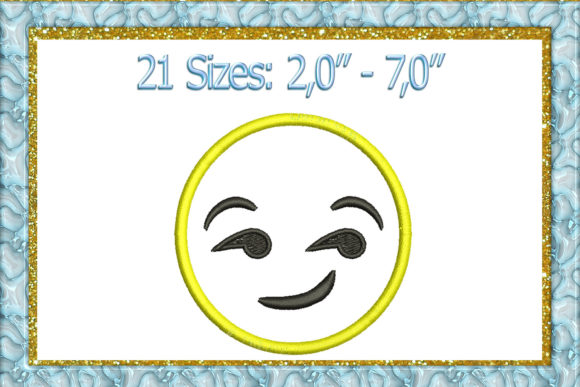
The strength of the Smirk Emoji lies in its simplicity. Unlike complex portraits or detailed illustrations that require high stitch counts and precise tension, this design relies on clean lines and expressive curves. When I visualize this on a finished product, the visual appeal is immediate. It creates a sense of approachability and fun without being overwhelming.
In terms of layout, the design is balanced. It does not look lopsided even when scaled down. This balance is crucial for machine embroidery design because uneven weight distribution can lead to puckering, especially on lightweight fabrics. The shape suggests a confident, relaxed vibe that fits perfectly with contemporary fashion trends. Whether you are designing for a boutique clothing line or creating personalized gifts, this emoji adds a layer of wit that resonates well with modern audiences.
Real-World Application: From Tote Bags to Nursery Decor
Let's imagine a practical scenario. You are preparing a custom order for a client who wants a unique gift for their teenage niece. They want something trendy but not childish. You decide to use the Smirk Emoji applique design on a canvas tote bag. The result is striking. The applique technique allows the fabric to sit flush against the bag, giving it a textured, high-quality feel that flat stitching sometimes lacks.
This same design translates beautifully to other surfaces. On a sweatshirt, the smirk adds a cool, understated detail to the chest area. It works exceptionally well as a patch on a denim jacket or a baseball cap, where the curved surface requires a design that doesn't lose definition. I have also seen similar designs used effectively on baby clothes and nursery decor, where the playful nature of the emoji softens the look of the garment without being too loud.
For commercial embroidery projects, such as merchandise for a coffee shop or a creative agency, this design serves as a great branding tool. It signals a company culture that values creativity and humor. When customers see a finished product with this level of thoughtful design, their trust in the brand increases. It moves the item from a simple commodity to a piece of wearable art.
Navigating Technical Challenges
While the design is charming, no professional would recommend using it without considering the limitations of the medium. Applique designs require a bit more attention to detail than standard fill stitches. If you are working with thin or stretchy fabric, the stability of the base material becomes critical. Without proper stabilizer, the tension required to hold the applique fabric in place can cause the entire design to warp.
Texture is another factor to watch. While a smooth cotton twill is ideal, placing this design on a heavily textured fabric like a chunky knit sweater might obscure the details of the smirk. The curve of the mouth might get lost in the weave, ruining the expression. Similarly, if you are attempting this on dark fabric, the contrast of the applique material must be carefully selected. A light-colored fabric on a dark background will make the design pop, but a mismatched color choice can make the design look muddy rather than crisp.
Hoop size is also a practical consideration. Although the design is compact, using it in a very small hoop can limit your ability to maneuver the fabric and secure the edges properly. If you are planning to embroider multiple items in a row, ensure your machine setup allows for enough space to manage the stabilizer and fabric layers comfortably.
Where to Exercise Caution
- Small Hoop Sizes: Ensure the design fits within the usable area of your hoop without cutting off essential details.
- Textured Fabrics: Avoid heavy knits or boucle fabrics where the design details might get lost.
- Stretchy Materials: Use heavy-duty stabilizers to prevent distortion during the stitching process.
- Dense Stitch Areas: Check the density settings in your software to avoid thread breakage or bulkiness.
Design Notes for the Professional Maker
Before committing to a large production run or selling these items on Etsy, there are several steps every designer should take. First and foremost, always test the design on scrap fabric. This simple step reveals issues with thread tension, needle size, and stabilizer type that you cannot predict from a digital preview. Pay close attention to the corners and curves of the smirk; these are the areas most likely to show imperfections.
Thread color selection is equally important. The mood of the design changes drastically depending on whether you use bright primary colors or muted pastels. For a handmade product meant to be a personalized gift, consider matching the thread colors to the recipient's preferences or the theme of the event. If you are creating design assets for digital mockups, test the design in black and white to ensure the silhouette remains strong regardless of color.
Licensing is a non-negotiable aspect of commercial work. Before selling finished items featuring the Smirk Emoji, confirm the license terms provided by the creator. Some digital embroidery files allow for unlimited commercial use, while others restrict the number of units sold or prohibit resale entirely. Failing to verify these terms can lead to legal trouble and damage your reputation as a responsible seller.
Final Thoughts on Value and Versatility
The Smirk Emoji is more than just a cute icon; it is a functional tool for creators. Its ability to convey emotion through minimalism makes it a valuable addition to any library of embroidery project assets. It bridges the gap between digital culture and tactile craftsmanship, offering a way to bring internet humor into the physical world.
For those looking to expand their craft business or enhance their Etsy listings, this design offers a low-risk, high-reward opportunity. It is easy to integrate, visually appealing, and universally understood. However, success depends on the quality of execution. By paying attention to fabric choices, stabilization, and testing, you can ensure that the final product reflects the high standards expected by today's discerning buyers.
Whether you are making a single holiday gift or producing a line of boutique products, the Smirk Emoji provides a solid foundation for creativity. It reminds us that even the smallest design elements can have a significant impact on the overall perception of a handmade item. When done right, it transforms a simple piece of fabric into a statement of style and personality.